```html ```

Blog

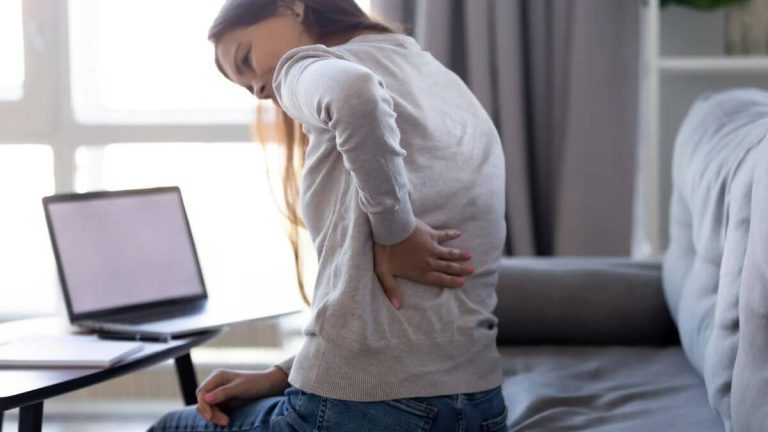
Back Pain Feel Worse After Sitting

Why Does Back Pain Feel Worse After Sitting but Better After Moving?

Back pain can feel worse after sitting because staying in one position for a long time may increase stiffness and place sustained stress on muscles, joints, and other structures in the lower back. Moving changes those demands, activates muscles, and takes the body out of a prolonged static position, which
Read More >
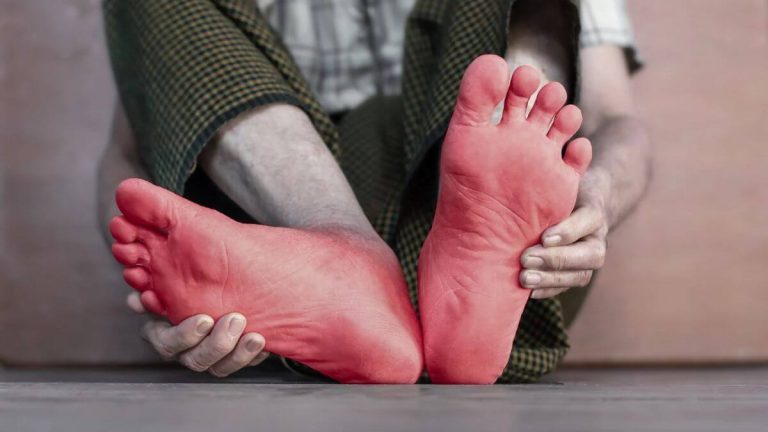
Neuropathy Symptoms in the Feet

Why Do Neuropathy Symptoms in the Feet Often Feel Worse at Night?

Neuropathy symptoms in the feet can feel worse at night because nerve-related pain and abnormal sensations often follow a daily pattern that becomes more noticeable during the evening and nighttime hours. Sensitive nerves may also react to normally harmless contact, such as bedsheets touching the feet, while burning, tingling, numbness,

Read More >
Early Signs of Neuropathy

Understanding the Early Signs of Neuropathy Before Symptoms Become More Noticeable

Neuropathy is a condition involving nerve damage or dysfunction that may cause symptoms such as tingling, numbness, burning sensations, or changes in feeling. Early awareness of neuropathy symptoms can help patients understand their options and seek appropriate guidance before discomfort begins affecting daily activities. Many people first notice subtle changes

Read More >
Neuropathy Symptoms

What Patients Should Know Before Seeking Care for Neuropathy Symptoms

Neuropathy refers to nerve dysfunction or damage that may affect how the body sends and receives signals, often causing symptoms such as tingling, numbness, burning sensations, or changes in sensitivity. Before seeking care for neuropathy symptoms, patients should understand their symptoms, possible contributing factors, and available options for supporting overall

Read More >
Neck Pain Keep Coming Back

Why Does Neck Pain Keep Coming Back After Temporary Relief?

Neck pain often returns because the underlying factors contributing to discomfort, such as joint restriction, muscle tension, posture habits, or movement patterns, may not have been fully addressed. Chiropractic care focuses on evaluating these contributing factors and creating a treatment approach designed around your specific symptoms and needs. What Causes

Read More >
Disc-Related Pain

5 Signs You May Need a Non-Surgical Approach for Disc-Related Pain

Non-surgical spinal decompression is a conservative treatment approach that may help certain individuals experiencing disc-related pain by reducing pressure on affected spinal structures. It is often considered when symptoms related to discs, nerves, or spinal movement continue and a patient is looking for options before considering more invasive procedures. What

Read More >
Neck or Back Adjustment

What Does a Chiropractor Check Before Recommending a Neck or Back Adjustment?

Before recommending a neck or back adjustment, a chiropractor checks your health history, current symptoms, movement, joint function, muscle tension, and possible signs of nerve involvement. The purpose is to understand what may be causing the problem, identify reasons to modify or postpone care, and determine whether a chiropractic adjustment

Read More >
Back Decompression

What Might You Feel During and After a Back Decompression Session?

During a back decompression session, most people feel a gentle, controlled pulling or stretching sensation through the lower back rather than sharp pain. Afterward, you may feel looser, temporarily sore, unchanged, or gradually more comfortable, depending on your condition, sensitivity, and treatment settings. What Happens During a Back Decompression Session?

Read More >
TMJ and Posture Pain Connection Treatment in Beaverton OR

The Connection Between Poor Posture and TMJ Pain in Daily Life

TMJ (temporomandibular joint) pain is a common condition that affects many individuals, causing discomfort in the jaw, neck, and head. One of the lesser-known factors contributing to TMJ pain is poor posture, which can exacerbate or even cause jaw misalignment and muscle tension. At Gentle Chiro, we understand the intricate

Read More >
Spinal Decompression Therapy for Spine Care in Beaverton OR

Reducing Nerve Pressure in the Spine with Spinal Decompression Therapy

Spinal decompression therapy is a non-invasive treatment designed to relieve pressure on the spine and nerves. It targets the root cause of back pain by gently stretching the spine, promoting healing, and reducing discomfort caused by conditions like herniated discs, sciatica, and other spinal issues. At Gentle Chiro, we use

Read More >
TMJ Disorder Jaw Pain Treatment in Beaverton OR

TMJ Disorders: Can a Chiropractor Really Help with Jaw Pain?

TMJ disorders are a common cause of jaw pain, headaches, and facial discomfort. Chiropractic care is an effective, non-invasive treatment option for those suffering from TMJ, helping to reduce pain, restore function, and improve overall well-being.  We’ll explore how a chiropractor can help with TMJ disorders and why chiropractic care

Read More >
General Chiropractic Care in Beaverton OR

Back Pain Treatment: How Chiropractic Care Can Provide Lasting Relief

Back pain affects millions of people every year, with many suffering from chronic pain that disrupts daily life. Chiropractic care is a non-invasive, drug-free solution that can offer lasting relief from back pain and related conditions like sciatica. We’ll explore how chiropractic adjustments can help alleviate back pain and improve

Read More >